
Making Peace with Mortality
Meaning Making, Legacy and the Human Quest for Continuance

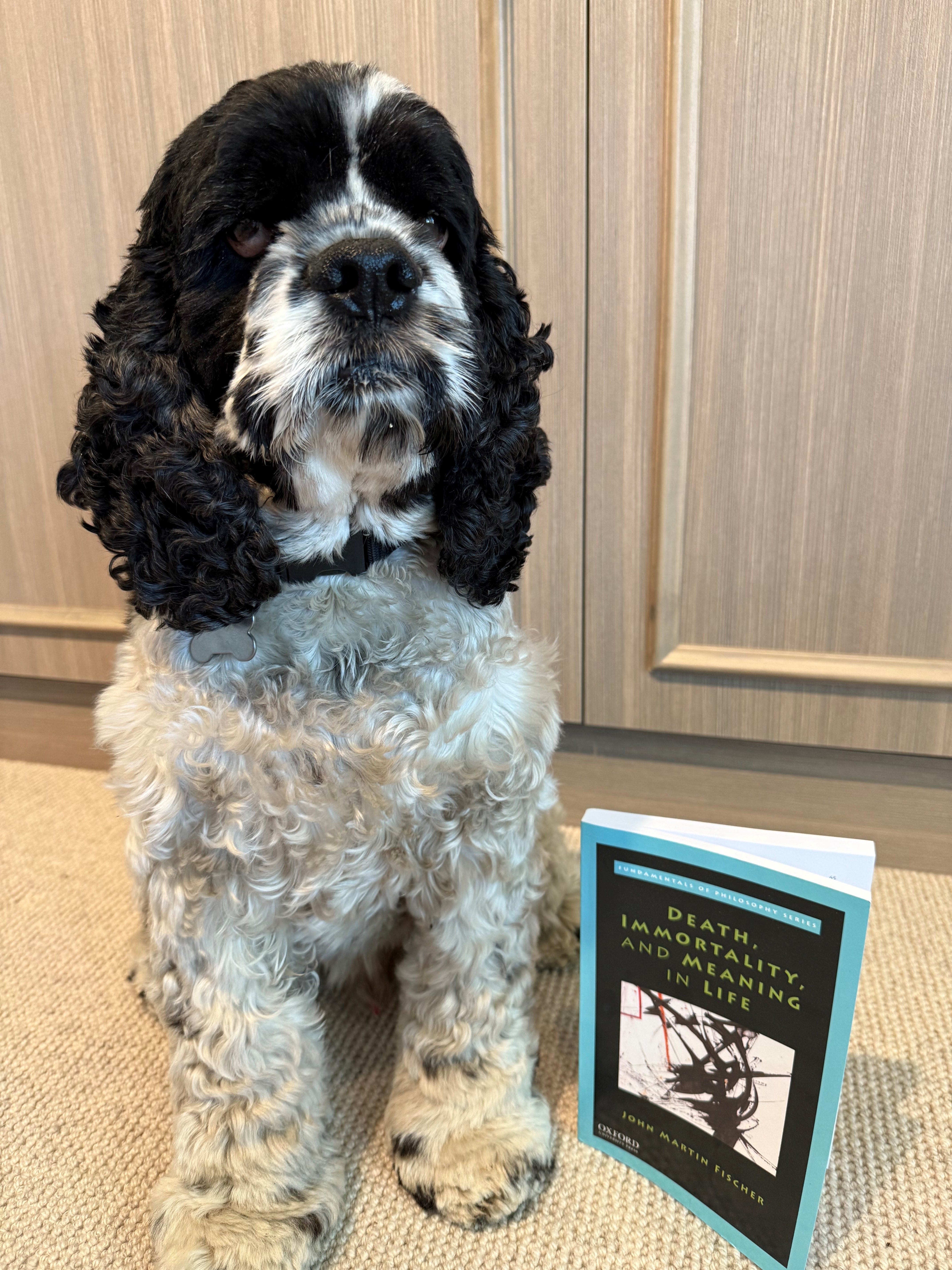
Many of us are no strangers to planning for projects, careers and retirements. Yet one area that many of us avoid planning for is our own mortality. The philosopher John Martin Fischer suggests that confronting death can actually deepen our engagement with life. In Death, Immortality and Meaning in Life he distinguishes between the “meaning of life”, which is a single overarching purpose that applies to every human, and the “meaning of a particular life.” Fischer argues that there is no cosmic meaning of life; instead, each person’s life can be meaningful when it is organized as a narrative with objective value. Or, as Joan Didion famously observed, we tell ourselves stories in order to live. Fischer encourages us to think like authors: we make choices that become sentences in our life narrative, and these choices give shape to who we become.
A life story gains meaning when it connects to reality and is authored freely; because of this, meaning comes in degrees depending on how well we weave connections to people, projects and values. Meaning enhancing activities include loving relationships, pursuing knowledge or creative work, and leaving a lasting mark through accomplishments or service. We can ask whether the projects we pursue and the values we embody will hold up when viewed from a broader perspective. Will they still matter when we look back at the end of our lives?
Meaning making through legacy
Understanding that our lives are stories leads naturally to the idea of legacy, which is the imprint we leave on the world and in the lives of others. Legacy is not merely about wealth or memorials; it is about life and living, learning from the past, inhabiting the present and building for the future. Legacy represents an interconnection across time: “stronger trees share resources with weaker ones so that the whole forest becomes healthier,” illustrating how roots from previous generations support new growth. Without a sense of working to create a legacy, adults lose meaning in their lives. Being reminded of death is actually beneficial because it prompts us to decide what kind of life we want to live and what kind of world we want to leave behind. Living moment to moment is insufficient; we need rhythms that connect weeks, seasons and generations. Planning for the future and aligning with larger cycles of time helps us feel anchored.
Legacy work, sometimes called generativity, can provide comfort, purpose and dignity by encouraging individuals to share stories and leave something lasting and transcendent. Reflecting on one’s legacy fosters continuity, helps integrate past and future and brings a sense of comfort when life deals its inevitable blows.
Psychologists have long recognised that the awareness of mortality drives people to seek symbolic immortality. The concept of “terror management theory” is that humans manage the fear of death by developing cultural worldviews, religious beliefs or projects that “outlive” them and give meaning and value to their lives. Culture reduces the terror engendered by mortality by providing shared symbolic conceptions of reality that offer order, predictability and permanence. People strive for either literal immortality (through belief in an afterlife) or symbolic immortality (through achievements, children or cultural contributions). Building a legacy connects us to future generations and offers a sense that parts of us will persist.
Legacy can be about passing on values, memories or love, rather than just wealth or material possessions. Research indicates that reflecting on one’s legacy increases empathy and altruistic behaviourand leads to higher personal satisfaction, stronger leadership and greater well being. In other words, focusing on legacy not only benefits those who come after us but also enhances our own lives.
Creating your own legacy: practical strategies
So what does this mean in practical terms? Building a meaningful legacy requires intentionality and alignment. Here are some strategies grounded in philosophy and research:
Author your narrative consciously. Fischer emphasises that your life’s meaning depends on the story you write. Take time to reflect on core values. Set goals that align with these values and revisit them regularly. Ask yourself whether your current commitments would seem worthwhile when viewed from the end of your life.
Invest in relationships and community. Connection is a central meaning enhancing feature. Prioritise time with loved ones, cultivate friendships, mentor younger colleagues and engage in community projects. These relationships are the roots that support future growth.
Contribute to something bigger. Whether through scientific discovery, art, activism or philanthropy, connect to causes that transcend your individual life. Use your unique interests and gifts to contribute to cultural, environmental or social improvements.
Plan your legacy, not just your estate. Consider what values and stories you want to pass on. Legacy planning can include writing ethical wills, recording life lessons, establishing scholarships or charitable funds, or creating institutions that reflect your values.
Practice generativity. Create opportunities for younger generations to thrive. Teach, mentor, support apprentices and share your knowledge. Generativity offers comfort and purpose, particularly at the end of life.
Balance present living with future vision. Mindfulness is valuable, but as Fischer notes, the claim that “it is always now” is too trivial to justify focusing solely on the present. While actions happen in the present, decisions should consider consequences for the future you and future generations. Embrace long term and generational considerations in your planning.
Embracing finitude
Reconciling ourselves to mortality does not mean resigning ourselves to nihilism. Instead, as Fischer shows, the recognition that life is finite can motivate us to craft meaningful narratives and build legacies. Irrespective of your perspective on faith and/or immortality, through symbolic immortality, expressed through our relationships, contributions and stories, we can ensure that something of us endures. By consciously weaving meaning into our lives and investing in legacies that reflect our values, we transform the inevitability of death from a source of anxiety into a call to live purposefully.
In a chaotic, fast changing and uncertain time, approaching your mortality with intention may be the the most centering endeavor of all. What story are you writing? What difference will your life make after you leave? The time to answer these questions is now.